


What Is Diabesity? Understanding the Link Between Obesity and Type 2 Diabetes
What Is Diabesity? Understanding the Link Between Obesity and Type 2 Diabetes
Introduction
The global rise in obesity and type 2 diabetes mellitus has created one of the most important public health and clinical challenges of the modern era. These two conditions are no longer viewed as separate problems that simply happen to occur in the same person. Instead, they are increasingly understood as closely interconnected metabolic disorders that influence each other biologically, clinically, and therapeutically. This overlap is often described by the term diabesity.
Diabesity refers to the combined and overlapping relationship between obesity and type 2 diabetes, particularly when excess body fat, insulin resistance, and metabolic dysfunction contribute to the development, progression, and long-term complications of diabetes. The term has gained importance because it captures a reality that clinicians see every day: many patients with type 2 diabetes also struggle with obesity, abdominal adiposity, dyslipidemia, hypertension, fatty liver disease, chronic inflammation, and increased cardiovascular risk. In such cases, treating blood sugar alone is not enough. The broader metabolic picture must be addressed.
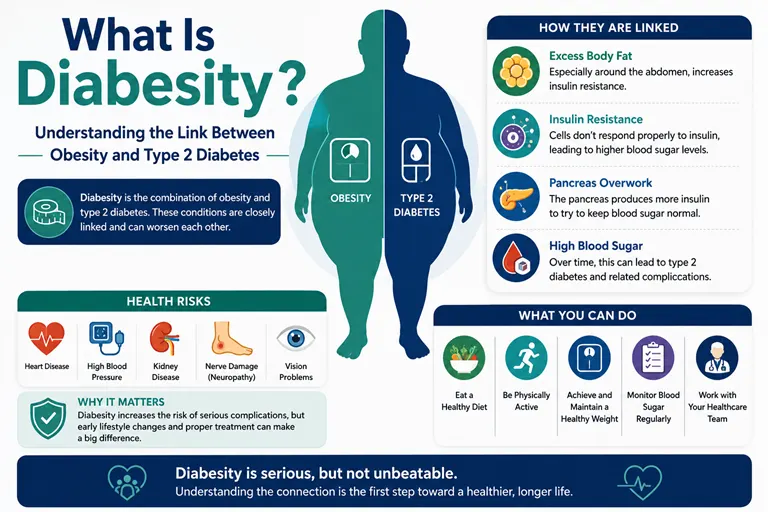
Understanding diabesity is important for clinicians, researchers, journal editors, and even patients because it changes how obesity and diabetes are conceptualized. It shifts the focus from isolated glucose management toward whole-metabolic care, including weight management, insulin sensitivity, cardiovascular risk reduction, lifestyle intervention, and newer pharmacologic strategies that target both obesity and diabetes together.
In this article, we explore what diabesity means, why obesity and type 2 diabetes are so closely linked, the role of insulin resistance, the complications associated with this overlap, and why diabesity has become a central concept in modern endocrinology, obesity medicine, and diabetes care.
Table of Contents
- What does diabesity mean?
- Why obesity and type 2 diabetes are so closely linked
- The role of insulin resistance in diabesity
- Visceral fat, inflammation, and metabolic dysfunction
- Common clinical features of diabesity
- Why diabesity increases long-term health risks
- Diabesity and metabolic syndrome
- How diabesity changes treatment planning
- The role of lifestyle intervention in diabesity
- Emerging pharmacologic approaches in diabesity
- Why diabesity is an important research and journal topic
- Frequently asked questions
- Conclusion
1. What Does Diabesity Mean?
The word diabesity is a combined term formed from diabetes and obesity. It is used to describe the strong and clinically meaningful overlap between obesity, especially central or visceral obesity, and type 2 diabetes mellitus.
The term does not merely mean that a person has both conditions at the same time. It reflects a deeper concept: that obesity and type 2 diabetes are often linked through shared metabolic pathways, particularly insulin resistance, abnormal fat distribution, chronic low-grade inflammation, hormonal dysregulation, and impaired glucose metabolism.
Why the term matters
The concept of diabesity is useful because it helps clinicians and researchers think beyond a narrow, glucose-only model of diabetes care. A patient with type 2 diabetes and obesity often has a broader metabolic condition that includes:
● insulin resistance
● increased waist circumference or visceral adiposity
● elevated triglycerides or abnormal lipid profile
● hypertension
● fatty liver disease
● inflammatory burden
● increased cardiovascular risk
● difficulty with long-term weight regulation
This is why many experts now view obesity and type 2 diabetes as part of a connected metabolic disease spectrum rather than two unrelated diagnoses.
2. Why Obesity and Type 2 Diabetes Are So Closely Linked
The link between obesity and type 2 diabetes is one of the most established relationships in modern metabolic medicine. Excess adiposity, especially central abdominal fat, is strongly associated with insulin resistance and progressive disturbances in glucose regulation.
Obesity does not act only as excess weight
Obesity is not simply a matter of body size. Adipose tissue is metabolically active and influences:
● insulin sensitivity
● inflammatory signaling
● lipid metabolism
● appetite regulation
● endocrine function
● hepatic glucose handling
● overall cardiometabolic balance
When excess adipose tissue accumulates, especially in the abdominal and visceral region, it can disrupt normal metabolic signaling and increase the likelihood of impaired glucose tolerance and type 2 diabetes.
Why the risk becomes so high
Patients with obesity may develop:
● increased insulin resistance
● compensatory hyperinsulinemia in earlier stages
● progressive beta-cell strain
● impaired glucose control over time
● worsening lipid profile
● chronic inflammatory activation
● reduced metabolic flexibility
Over time, these changes can contribute to the onset of type 2 diabetes, particularly in individuals with genetic predisposition, sedentary behavior, poor diet quality, sleep disruption, or additional metabolic stressors.
3. The Role of Insulin Resistance in Diabesity
If there is one concept at the center of diabesity, it is insulin resistance.
What is insulin resistance?
Insulin resistance occurs when the body’s tissues, especially muscle, liver, and adipose tissue, do not respond effectively to insulin. As a result, the body needs higher levels of insulin to maintain normal glucose balance. In early stages, the pancreas may compensate by producing more insulin. Over time, however, this compensation may fail, and blood glucose levels begin to rise.
Why obesity promotes insulin resistance
Excess adipose tissue, especially visceral fat, is associated with multiple metabolic changes that worsen insulin sensitivity. These include:
● altered adipokine signaling
● chronic low-grade inflammation
● increased free fatty acid flux
● ectopic fat accumulation in liver and muscle
● changes in appetite and energy regulation pathways
● endocrine and metabolic stress on insulin-responsive tissues
This is one of the reasons obesity is such a powerful risk factor for type 2 diabetes.
Why insulin resistance matters clinically
Insulin resistance is not just a laboratory concept. It has direct consequences for patients, including:
● rising fasting glucose or HbA1c
● worsening metabolic syndrome features
● increased need for medication intensification
● progressive difficulty controlling weight and glucose together
● higher long-term cardiometabolic risk
Understanding insulin resistance is essential for understanding why diabesity develops and why it can be difficult to treat if obesity is ignored.
4. Visceral Fat, Inflammation, and Metabolic Dysfunction
Not all body fat behaves the same way. In the context of diabesity, visceral fat is especially important. Visceral adiposity refers to fat stored around internal abdominal organs rather than only beneath the skin. This pattern of fat distribution is strongly associated with metabolic risk.
Why visceral fat is so important
Visceral fat is linked to:
● insulin resistance
● inflammatory cytokine activity
● dysregulated lipid metabolism
● increased hepatic fat accumulation
● altered endocrine signaling
● elevated cardiometabolic risk
This helps explain why two individuals with similar body weight may have very different metabolic risk profiles depending on fat distribution, physical activity, muscle mass, and underlying insulin sensitivity.
Chronic inflammation in diabesity
Diabesity is not only a disorder of glucose and weight. It is also associated with a chronic low-grade inflammatory state. This inflammatory environment may contribute to:
● impaired insulin action
● vascular damage over time
● worsening metabolic dysfunction
● progression toward diabetes complications
● increased cardiovascular disease burden
The interaction between visceral adiposity, inflammation, and insulin resistance is one of the reasons diabesity is more than just “obesity plus high blood sugar.” It is a systemic metabolic condition with multi-organ consequences.
5. Common Clinical Features of Diabesity
Patients with diabesity may present in different ways depending on age, genetics, duration of metabolic disease, lifestyle factors, and treatment history. However, there are several clinical patterns commonly seen in practice.
Common features of diabesity include:
● obesity or overweight, especially abdominal obesity
● elevated fasting blood glucose or HbA1c
● insulin resistance
● high triglycerides or low HDL cholesterol
● hypertension
● increased waist circumference
● non-alcoholic fatty liver disease
● fatigue, low exercise tolerance, or reduced metabolic fitness
● progressive medication burden over time
● family history of obesity, diabetes, or cardiometabolic disease
Some patients may be diagnosed first with obesity and later develop diabetes. Others may present with newly diagnosed diabetes and longstanding central obesity. In both cases, the metabolic relationship between the two conditions is clinically significant.
Why a broad assessment matters
A patient with diabesity should not be evaluated only for blood glucose values. A meaningful clinical assessment often also considers:
● body weight and waist circumference
● blood pressure
● lipid profile
● liver health
● renal risk
● cardiovascular risk factors
● lifestyle patterns
● medication history and adherence
● sleep, physical activity, and nutritional context
This broader approach reflects the fact that diabesity is a whole-metabolic problem rather than a single laboratory abnormality.
6. Why Diabesity Increases Long-Term Health Risks
The coexistence of obesity and type 2 diabetes often increases the risk of long-term complications more than either condition alone. This is one reason why diabesity deserves focused clinical attention.
Potential risks associated with diabesity include:
● worsening glycemic control over time
● diabetic nephropathy
● diabetic neuropathy
● diabetic retinopathy
● cardiovascular disease
● stroke risk
● fatty liver disease progression
● obstructive sleep apnea
● reduced mobility and musculoskeletal burden
● chronic inflammation and reduced quality of life
Why the combined burden matters
A patient with diabesity is often carrying several overlapping risk processes:
● persistent hyperglycemia
● excess adiposity
● insulin resistance
● abnormal lipid metabolism
● vascular stress
● inflammatory burden
● endocrine dysregulation
This means that a narrow treatment plan focused only on lowering glucose may not fully address the patient’s actual disease burden. Effective long-term care often requires a broader cardiometabolic strategy.
7. Diabesity and Metabolic Syndrome
Diabesity is closely related to the concept of metabolic syndrome, although the two terms are not identical.
What is metabolic syndrome?
Metabolic syndrome generally refers to a cluster of cardiometabolic abnormalities that often occur together, including:
● abdominal obesity
● elevated blood glucose
● hypertension
● high triglycerides
● low HDL cholesterol
These features often reflect underlying insulin resistance and metabolic dysfunction.
How metabolic syndrome connects to diabesity
Many patients with diabesity also meet criteria for metabolic syndrome. In fact, diabesity can be understood as part of a wider metabolic disease spectrum in which obesity, insulin resistance, dyslipidemia, and type 2 diabetes interact with each other.
The overlap matters because it highlights why treatment goals should extend beyond glucose alone and include:
● weight reduction where appropriate
● blood pressure control
● lipid management
● liver health assessment
● cardiovascular risk reduction
● long-term lifestyle support
8. How Diabesity Changes Treatment Planning
Diabesity changes treatment priorities because it requires clinicians to think beyond the traditional model of “treat the sugar and move on.” A patient with diabesity may need a more integrated treatment plan that addresses weight, insulin resistance, cardiovascular risk, metabolic health, and long-term sustainability of care.
Why glucose-only management is not enough
If a patient’s glucose levels improve but obesity, visceral adiposity, hypertension, dyslipidemia, and lifestyle barriers remain unaddressed, the broader disease burden may continue to progress.
A diabesity-oriented treatment approach may include:
● individualized nutrition and physical activity planning
● realistic long-term weight management strategy
● medication choices that consider both glycemic and weight effects
● cardiovascular risk management
● regular monitoring of renal, hepatic, and metabolic health
● behavioral and adherence support
● patient education on long-term disease progression
Why treatment goals are evolving
Modern endocrinology and obesity medicine increasingly aim for:
● better glycemic control
● clinically meaningful weight reduction where appropriate
● reduction in cardiometabolic risk
● improvement in quality of life
● therapies that align with the biology of obesity-related diabetes
This is why the concept of diabesity has become so useful. It changes the way treatment priorities are framed.
9. The Role of Lifestyle Intervention in Diabesity
Even with the growth of newer pharmacologic therapies, lifestyle intervention remains central to diabesity management. Nutrition, physical activity, sleep, behavioral support, and long-term self-management all play important roles.
Why lifestyle still matters
Lifestyle factors influence:
● body weight
● insulin sensitivity
● blood pressure
● lipid profile
● inflammatory burden
● daily glycemic patterns
● long-term cardiovascular risk
For many patients, lifestyle intervention is the foundation upon which medication decisions are built.
Important principles in lifestyle management
Effective diabesity care often involves:
● realistic and sustainable dietary improvement rather than short-term extreme restriction
● gradual increases in physical activity suited to the patient’s health status
● behavioral support for long-term adherence
● attention to sleep, stress, and routine patterns
● regular follow-up and goal adjustment
Why lifestyle advice must be practical
Patients with diabesity often have a long history of repeated weight loss attempts, medication changes, and frustration. Clinicians therefore need to approach lifestyle counseling with realism, empathy, and long-term planning rather than offering generic one-line advice.
10. Emerging Pharmacologic Approaches in Diabesity
The concept of diabesity has also influenced pharmacologic innovation. As clinicians increasingly recognize that obesity and type 2 diabetes are metabolically linked, there is growing interest in therapies that target both glycemic control and weight-related metabolic burden.
Why pharmacology is changing
Older treatment approaches often focused mainly on blood glucose reduction. While glycemic control remains essential, newer treatment conversations increasingly consider:
● weight impact of therapy
● appetite and satiety regulation
● insulin resistance burden
● long-term cardiometabolic benefit
● adherence and treatment sustainability
Why this matters in modern endocrinology
This shift has led to increasing interest in obesity-diabetes therapies that may influence both sides of the diabesity equation. For clinicians and researchers, it also creates important questions around:
● comparative effectiveness
● patient selection
● long-term safety
● adherence and access
● cardiometabolic outcomes
● integration with lifestyle and preventive care
This is one reason why therapies related to obesity pharmacotherapy and modern diabetes management have become such important subjects for endocrine journals.
11. Why Diabesity Is an Important Research and Journal Topic
Diabesity is not just a clinical label. It is a research framework that helps organize important questions in obesity medicine, endocrinology, diabetes care, public health, pharmacotherapy, and long-term cardiometabolic prevention.
Why researchers care about diabesity
Diabesity raises major questions such as:
● Why do some patients with obesity develop diabetes while others do not?
● How should insulin resistance be assessed and managed in real-world practice?
● Which therapies best address both weight and glycemic burden?
● What are the long-term cardiovascular and renal implications of obesity-linked diabetes?
● How can prevention strategies be improved at population level?
Why journals should publish more on diabesity
A specialty journal like Advances in Obesity, Endocrinology, and Diabetes (AOEDS) is ideally positioned to publish work on:
● obesity-related diabetes mechanisms
● insulin resistance and metabolic syndrome
● weight management in diabetes care
● obesity pharmacotherapy
● diabetic complications in patients with obesity
● endocrine and cardiometabolic perspectives on type 2 diabetes
● review articles and original research on diabesity treatment models
Because diabesity sits at the intersection of obesity, endocrinology, and diabetes, it is one of the most natural subject pillars for AOEDS.
12. Frequently Asked Questions
1. What does diabesity mean?
Diabesity refers to the close and clinically significant overlap between obesity and type 2 diabetes, especially when both conditions are linked through insulin resistance and metabolic dysfunction.
2. Is diabesity a formal disease name?
It is more commonly used as a clinical and conceptual term rather than a standalone formal diagnosis category. Its purpose is to highlight the strong biological and therapeutic connection between obesity and type 2 diabetes.
3. Why are obesity and type 2 diabetes so strongly connected?
Because obesity, particularly visceral obesity, contributes to insulin resistance, inflammation, and metabolic dysregulation, all of which increase the risk of type 2 diabetes.
4. Is every person with obesity at risk of diabesity?
Not every person with obesity will develop type 2 diabetes, but obesity is a major risk factor, especially when combined with genetic susceptibility, sedentary lifestyle, poor metabolic health, and central adiposity.
5. Why is diabesity important in treatment planning?
Because it reminds clinicians to address the full metabolic picture, including weight, insulin resistance, blood pressure, lipid abnormalities, and long-term cardiometabolic risk, rather than focusing only on glucose.
6. Why is diabesity relevant to endocrinology journals?
Because it sits directly at the intersection of obesity, endocrinology, diabetes, metabolic syndrome, and long-term metabolic disease management, making it a high-value subject for research and clinical discussion.
13. Conclusion
Diabesity is more than a convenient combination of the words diabetes and obesity. It represents a major clinical reality in modern medicine: obesity and type 2 diabetes are often biologically, metabolically, and therapeutically intertwined. Excess adiposity, particularly visceral fat, contributes to insulin resistance, inflammation, metabolic dysfunction, and progressive cardiometabolic risk, all of which help explain why obesity and type 2 diabetes so frequently coexist.
Understanding diabesity matters because it changes the way clinicians and researchers think about disease management. Instead of treating elevated blood glucose in isolation, it encourages a broader approach that includes weight management, insulin resistance reduction, cardiovascular risk control, lifestyle intervention, and long-term metabolic health planning. It also highlights the importance of therapies and care models that address both sides of the obesity-diabetes relationship rather than viewing them as separate therapeutic problems.
For researchers, diabesity remains one of the most important frameworks for studying obesity-related diabetes, insulin resistance, metabolic syndrome, cardiometabolic risk, and emerging endocrine therapies. For clinicians, it is a reminder that good diabetes care often requires meaningful attention to body weight, adiposity, and the wider metabolic environment. For journals like AOEDS, diabesity is not a peripheral topic. It is one of the central themes that connects obesity, endocrinology, and diabetes into a unified field of inquiry.
Submit Diabesity, Obesity, and Diabetes Research to AOEDS
https://aoeds.com/submit-paper
If your work focuses on diabesity, obesity-related type 2 diabetes, insulin resistance, metabolic syndrome, obesity pharmacotherapy, diabetic complications, or endocrinology-based metabolic care, consider submitting your manuscript to Advances in Obesity, Endocrinology, and Diabetes (AOEDS). Focused specialty journals play an essential role in bringing meaningful metabolic and endocrine research to clinicians, scholars, and institutions working at the front line of obesity and diabetes care.