


Thyroid Disorders and Metabolic Health: How Hypothyroidism Can Influence Weight and Glucose Control
Thyroid Disorders and Metabolic Health: How Hypothyroidism Can Influence Weight and Glucose Control
Introduction
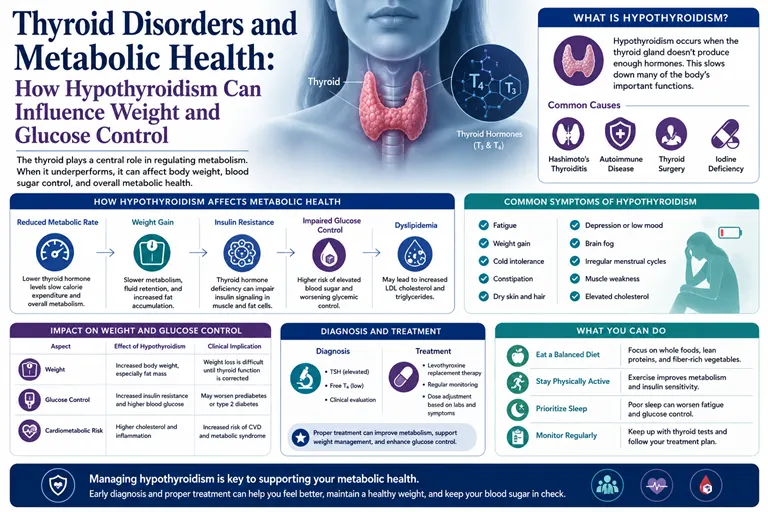
Thyroid hormones play a central role in energy balance, thermogenesis, lipid metabolism, glucose regulation, and overall endocrine function. Because of this, disorders of the thyroid gland can influence much more than just a patient’s neck gland or hormone report. They can affect body weight, insulin sensitivity, appetite, fatigue, cardiovascular risk, lipid profile, and long-term metabolic health. Among these conditions, hypothyroidism is one of the most commonly discussed in relation to weight gain, reduced metabolic activity, and broader endocrine dysfunction.
In clinical practice, patients with hypothyroidism frequently ask whether their thyroid problem is the reason for their weight gain, difficulty losing weight, fatigue, or changes in blood sugar. These questions are understandable because thyroid hormone deficiency can alter the body’s metabolic rate and affect multiple organ systems. However, the relationship between hypothyroidism, obesity, insulin resistance, and glucose control is often more complex than many patients realize. Not every patient with obesity has hypothyroidism, and not every patient with hypothyroidism develops diabetes or severe weight gain. Yet there is an important metabolic overlap that deserves careful attention.
For endocrinologists, obesity specialists, diabetologists, and internal medicine clinicians, hypothyroidism matters because it can complicate the management of obesity, prediabetes, type 2 diabetes, dyslipidemia, fatigue, and cardiometabolic risk. It may also influence how patients respond to lifestyle interventions, how they perceive their body weight struggles, and how broader endocrine health should be evaluated. For researchers and specialty journals, the interaction between thyroid function and metabolic disease remains an important area of discussion, especially in the context of obesity, diabetes, insulin resistance, and cardiometabolic health.
This article explores how hypothyroidism influences metabolic health, with special focus on weight gain, insulin resistance, glucose control, lipid abnormalities, and the broader connection between thyroid disorders and obesity-diabetes care. It also explains why this topic is highly relevant to journals working at the intersection of obesity, endocrinology, and diabetes.
Table of Contents
- Why thyroid hormones matter in metabolic health
- What is hypothyroidism?
- How hypothyroidism influences body weight and energy balance
- Hypothyroidism and difficulty losing weight
- The relationship between hypothyroidism and glucose control
- Hypothyroidism, insulin resistance, and diabesity risk
- Thyroid dysfunction and lipid metabolism
- Fatigue, reduced activity, and secondary metabolic consequences
- Why thyroid testing matters in obesity and diabetes evaluation
- Clinical management considerations in patients with hypothyroidism and metabolic disease
- Why thyroid-metabolic health is an important research topic
- Frequently asked questions
- Conclusion
1. Why Thyroid Hormones Matter in Metabolic Health
The thyroid gland produces hormones that are essential to the regulation of basal metabolic activity and the way the body uses energy. These hormones influence multiple physiologic processes, including:
● energy expenditure
● thermogenesis
● heart rate and cardiovascular function
● lipid metabolism
● gastrointestinal activity
● neuromuscular function
● glucose handling and insulin sensitivity
● body weight regulation and fluid balance
Because thyroid hormones affect so many systems, even relatively mild thyroid dysfunction can alter how a patient feels and how the body manages metabolism over time.
Why the thyroid-metabolism link is so important
A healthy metabolic state depends on coordinated endocrine signaling. Thyroid hormone deficiency can disrupt this balance and contribute to:
● reduced metabolic efficiency
● fatigue and low physical activity
● weight-related concerns
● altered lipid profile
● changes in glucose handling
● reduced exercise tolerance
● broader cardiometabolic strain in vulnerable patients
This is why thyroid disorders are highly relevant in the evaluation of patients with obesity, unexplained weight change, persistent fatigue, or difficult-to-manage metabolic disease.
2. What Is Hypothyroidism?
Hypothyroidism is a condition in which the thyroid gland does not produce enough thyroid hormone to meet the body’s metabolic needs. This hormone deficiency slows down multiple physiologic processes and can affect nearly every organ system.
Common causes of hypothyroidism may include:
● autoimmune thyroid disease
● thyroid gland damage or removal
● treatment-related causes affecting thyroid function
● iodine-related issues in some settings
● certain medications or endocrine conditions
Common symptoms and clinical features may include:
● fatigue and low energy
● cold intolerance
● constipation
● dry skin
● slowed thinking or low mood in some patients
● menstrual changes in some individuals
● weight gain or difficulty managing weight
● reduced exercise tolerance
● changes in lipid profile
Not every patient will experience the same symptoms, and symptom severity can vary depending on how significant the hormone deficiency is and how long it has been present.
Why hypothyroidism is relevant in obesity and diabetes care
Hypothyroidism can influence:
● resting energy expenditure
● daily physical activity because of fatigue
● lipid metabolism
● body weight perception and weight-management difficulty
● insulin sensitivity and broader metabolic health in selected patients
For this reason, it often enters the clinical conversation when patients present with weight gain, metabolic syndrome features, fatigue, or poorly controlled cardiometabolic health.
3. How Hypothyroidism Influences Body Weight and Energy Balance
One of the most common reasons patients seek thyroid evaluation is concern about weight gain. Hypothyroidism is widely associated with changes in body weight, but the relationship requires careful explanation.
Why thyroid hormone affects weight
Thyroid hormones influence:
● resting metabolic rate
● thermogenesis and energy expenditure
● fluid balance
● gastrointestinal motility
● general activity level and fatigue burden
When thyroid hormone levels are low, the body’s metabolic processes may slow. This can contribute to:
● lower daily energy expenditure
● reduced physical activity due to fatigue
● fluid retention in some patients
● gradual weight gain or resistance to weight loss
Important clinical nuance
Hypothyroidism can contribute to weight-related problems, but it is not always the sole or dominant cause of obesity. Many patients with obesity have normal thyroid function, and many patients with hypothyroidism do not develop severe obesity. The relationship is often multifactorial, involving diet, physical activity, sleep, insulin resistance, genetics, medication use, and broader endocrine or metabolic health.
Why this distinction matters
It is important not to oversimplify the issue. If a patient believes thyroid hormone deficiency is the only reason for weight gain, broader lifestyle and metabolic contributors may be overlooked. At the same time, clinicians should not dismiss thyroid dysfunction when symptoms and metabolic changes suggest it may be contributing.
4. Hypothyroidism and Difficulty Losing Weight
In obesity and endocrine clinics, many patients describe a frustrating pattern: they make efforts to reduce weight, but progress is slow, fatigue is persistent, and weight regain occurs easily. Hypothyroidism can be one of the factors that complicates this experience.
Why weight loss may feel harder in hypothyroidism
Hypothyroidism may contribute to:
● lower resting energy expenditure
● reduced spontaneous physical activity
● fatigue that limits exercise consistency
● low mood or reduced motivation in some patients
● fluid retention that affects scale weight
● a general sense of metabolic “slowing”
Why this does not mean weight loss is impossible
Appropriately managed hypothyroidism can improve symptoms and help restore a more normal physiologic state. However, even after thyroid correction, some patients still need:
● structured nutrition planning
● realistic calorie and protein strategy
● gradual physical activity support
● sleep and stress management
● evaluation for insulin resistance or other metabolic contributors
● long-term obesity care rather than thyroid-only treatment
Why clinicians need to address expectations carefully
Patients often hope that thyroid treatment alone will produce major weight loss. In reality, thyroid optimization is important, but it may not be sufficient by itself to reverse longstanding obesity, sedentary behavior, insulin resistance, or other metabolic drivers. A balanced explanation is essential.
5. The Relationship Between Hypothyroidism and Glucose Control
The relationship between hypothyroidism and glucose control is complex and sometimes underappreciated. Thyroid hormones influence metabolic pathways that interact with glucose homeostasis, insulin action, and energy balance.
Why thyroid function can affect glucose metabolism
Thyroid dysfunction may influence:
● insulin sensitivity
● hepatic glucose metabolism
● gastrointestinal motility and nutrient handling
● body composition and energy expenditure
● lipid metabolism and cardiometabolic burden
In patients with existing prediabetes or type 2 diabetes, hypothyroidism can complicate the overall metabolic picture by adding fatigue, weight-related difficulty, lipid abnormalities, and possible changes in insulin responsiveness.
Why this matters in diabetes care
A patient with diabetes and untreated or under-recognized hypothyroidism may experience:
● worsening fatigue that interferes with exercise and self-management
● weight-related challenges that affect glycemic improvement
● broader metabolic instability
● overlapping symptoms that complicate clinical interpretation
Important clinical perspective
Hypothyroidism is not a direct synonym for diabetes, and it does not automatically cause hyperglycemia in every patient. However, because thyroid function is part of the endocrine network governing metabolism, it can influence how difficult glucose control becomes in selected patients.
6. Hypothyroidism, Insulin Resistance, and Diabesity Risk
Hypothyroidism is increasingly discussed within the broader context of insulin resistance, obesity, and diabesity, especially when patients present with multiple overlapping metabolic problems.
How hypothyroidism may intersect with insulin resistance
In some patients, hypothyroidism may contribute to a metabolic environment characterized by:
● reduced energy expenditure
● weight gain or difficulty with weight reduction
● altered lipid profile
● low physical activity due to fatigue
● worsening cardiometabolic burden
These factors can overlap with the pathways that promote insulin resistance, especially when abdominal obesity, poor sleep, sedentary lifestyle, and family history of diabetes are also present.
Why this matters in diabesity
Diabesity refers to the close clinical overlap between obesity and type 2 diabetes. If a patient with obesity or prediabetes also has hypothyroidism, the combination may worsen the challenge of achieving:
● sustainable weight reduction
● improved insulin sensitivity
● better metabolic control
● long-term cardiometabolic risk reduction
Why the relationship is not identical in every patient
Not all patients with hypothyroidism develop insulin resistance, and not all patients with insulin resistance have thyroid disease. However, in real-world endocrine practice, these conditions often coexist and may amplify each other’s metabolic consequences.
7. Thyroid Dysfunction and Lipid Metabolism
One of the clearest metabolic consequences of hypothyroidism is its effect on lipid metabolism. This is clinically important because dyslipidemia is a major contributor to cardiometabolic risk.
Hypothyroidism may be associated with:
● elevated total cholesterol in some patients
● increased LDL cholesterol
● broader lipid abnormalities depending on severity and metabolic context
Why lipid changes matter
If hypothyroidism contributes to worsening lipid profile, it may increase the patient’s long-term risk of:
● atherosclerotic cardiovascular disease
● metabolic syndrome progression
● greater cardiometabolic burden when obesity or diabetes is already present
Why this is especially relevant in obesity and diabetes clinics
Patients with obesity or type 2 diabetes are already at risk for dyslipidemia and cardiovascular disease. If hypothyroidism is also present, lipid abnormalities may become more pronounced or more difficult to manage until thyroid function is properly addressed.
This is one reason thyroid assessment can be relevant in patients with unexplained dyslipidemia, fatigue, weight concerns, or mixed metabolic dysfunction.
8. Fatigue, Reduced Activity, and Secondary Metabolic Consequences
Not all of hypothyroidism’s metabolic effects occur directly through hormone chemistry alone. Some consequences arise indirectly, through symptoms such as fatigue, sluggishness, reduced exercise tolerance, and low daily activity.
Why fatigue matters metabolically
A patient who feels persistently tired may:
● move less during the day
● exercise less consistently
● struggle with structured lifestyle intervention
● experience lower motivation for self-care
● find weight-management efforts harder to sustain
Over time, these secondary effects can contribute to:
● weight gain
● loss of metabolic fitness
● worsening insulin resistance
● poor glycemic self-management in patients with diabetes
● greater cardiometabolic risk accumulation
Why this matters clinically
Even if the direct effect of hypothyroidism on body weight is modest in some patients, the indirect effect through fatigue and reduced physical activity can still be highly relevant. This is why symptom relief and endocrine correction can have broader metabolic benefits than laboratory numbers alone might suggest.
9. Why Thyroid Testing Matters in Obesity and Diabetes Evaluation
Thyroid testing should not be used indiscriminately for every complaint, but it can be an important part of the evaluation in selected patients with obesity, metabolic symptoms, or difficult-to-explain cardiometabolic changes.
Situations where thyroid assessment may be clinically relevant include:
● unexplained fatigue or reduced exercise tolerance
● weight gain or difficulty with weight management accompanied by other thyroid-related symptoms
● persistent dyslipidemia without clear explanation
● metabolic symptoms out of proportion to lifestyle pattern alone
● endocrine evaluation in patients with overlapping obesity and diabetes concerns
● suspected thyroid enlargement, autoimmune disease, or broader endocrine dysfunction
Why testing matters in the right context
Identifying hypothyroidism can:
● explain part of a patient’s symptom burden
● guide endocrine treatment
● improve energy and functional status
● help clarify the metabolic picture
● prevent missed contributors to lipid abnormalities or weight-management difficulty
Why over-attribution should be avoided
At the same time, clinicians should avoid attributing all obesity, diabetes, or weight-related concerns to thyroid dysfunction alone. Good metabolic care still requires a comprehensive assessment of:
● nutrition and activity patterns
● sleep and stress
● medication effects
● insulin resistance and glycemic status
● cardiometabolic risk factors
● other endocrine or systemic contributors
10. Clinical Management Considerations in Patients with Hypothyroidism and Metabolic Disease
When hypothyroidism coexists with obesity, prediabetes, type 2 diabetes, dyslipidemia, or metabolic syndrome, management should be thoughtful and integrated rather than fragmented.
Key clinical priorities may include:
● accurate diagnosis and appropriate treatment of hypothyroidism
● review of symptoms, thyroid function trends, and treatment adherence
● realistic counseling about weight expectations
● evaluation of lipid abnormalities and cardiovascular risk
● assessment of glucose status, insulin resistance, and diabesity-related burden
● structured lifestyle support for long-term metabolic health
● ongoing follow-up rather than one-time endocrine correction alone
Why integrated care matters
If thyroid hormone deficiency is treated but obesity, inactivity, insulin resistance, poor sleep, and unhealthy dietary patterns remain unaddressed, the patient may continue to struggle metabolically. Conversely, if the clinician focuses only on obesity or diabetes and misses hypothyroidism, part of the metabolic burden may remain untreated.
A better approach
The best endocrine care often involves seeing hypothyroidism as one component of a broader metabolic landscape, especially in patients with overlapping obesity and diabetes risk.
11. Why Thyroid-Metabolic Health Is an Important Research Topic
The relationship between thyroid disorders and metabolic disease remains an important area of endocrine research because it touches multiple high-priority topics:
● obesity and weight regulation
● insulin resistance and diabesity
● lipid metabolism and cardiometabolic risk
● fatigue, quality of life, and endocrine symptom burden
● glucose control in patients with thyroid dysfunction
● integrated endocrine management in metabolic disease
Why journals should care about this topic
A specialty journal like Advances in Obesity, Endocrinology, and Diabetes (AOEDS) is well positioned to publish:
● review articles on hypothyroidism and metabolic health
● original research on thyroid function and obesity
● studies on insulin resistance and thyroid disease overlap
● clinical discussions on dyslipidemia and thyroid dysfunction
● endocrine perspectives on metabolic syndrome and glucose control
Why this fits AOEDS so well
Thyroid disease helps AOEDS broaden its content beyond obesity and diabetes alone while still staying firmly within metabolic endocrinology. It also creates strong internal links across weight management, cardiometabolic risk, insulin resistance, and endocrine function.
12. Frequently Asked Questions
1. Can hypothyroidism cause weight gain?
Hypothyroidism can contribute to weight gain or difficulty losing weight by affecting metabolic rate, fluid balance, fatigue, and daily energy expenditure. However, it is not the only cause of obesity, and weight gain is often multifactorial.
2. Does hypothyroidism cause diabetes?
Hypothyroidism does not automatically cause diabetes, but it can complicate metabolic health and may interact with obesity, insulin resistance, lipid abnormalities, and glucose control in some patients.
3. Why do people with hypothyroidism feel tired and gain weight?
Low thyroid hormone can slow metabolic processes and contribute to fatigue, reduced activity, lower energy expenditure, and sometimes fluid retention, all of which can influence body weight and overall metabolic health.
4. Can treating hypothyroidism help with weight loss?
Treating hypothyroidism can improve symptoms and help restore a healthier metabolic state, but it may not by itself produce major weight loss if other contributors such as obesity, insulin resistance, diet, and inactivity are also present.
5. Is thyroid testing important in obesity and diabetes clinics?
Yes, in the right clinical context. Thyroid testing may be useful in patients with fatigue, unexplained weight changes, dyslipidemia, or overlapping endocrine and metabolic symptoms.
6. Why is hypothyroidism relevant to AOEDS?
Because hypothyroidism sits at the intersection of endocrinology, obesity, insulin resistance, metabolic health, and diabetes-related care, making it highly relevant to the journal’s scope.
13. Conclusion
Thyroid hormones are central to the regulation of metabolism, energy expenditure, lipid handling, and broader endocrine balance, which is why hypothyroidism can have important consequences far beyond the thyroid gland itself. Although hypothyroidism is not the sole explanation for obesity, diabetes, or all weight-related difficulties, it can contribute meaningfully to fatigue, reduced metabolic activity, weight-management challenges, dyslipidemia, and the broader metabolic burden carried by many patients in endocrine practice.
Understanding the relationship between hypothyroidism, weight gain, insulin resistance, glucose control, and cardiometabolic health is important because it helps clinicians move beyond oversimplified thinking. A patient with hypothyroidism may also have obesity, prediabetes, type 2 diabetes, metabolic syndrome, or dyslipidemia, and these conditions can interact in ways that complicate diagnosis, treatment, and long-term risk management. Good care therefore requires an integrated approach that considers thyroid function alongside the patient’s wider metabolic profile.
For researchers, the thyroid-metabolic relationship remains a valuable area of study because it bridges endocrinology, obesity, lipid metabolism, insulin resistance, and diabetes care. For specialty journals such as AOEDS, it offers an ideal opportunity to expand beyond core obesity and diabetes topics while remaining deeply relevant to metabolic disease. Publishing thoughtful, clinically grounded work on thyroid disorders and metabolic health helps strengthen the broader conversation around endocrine medicine and cardiometabolic care.
Publish Thyroid, Obesity, and Endocrine Research with AOEDS
https://aoeds.com/submit-paper
If your work focuses on hypothyroidism, thyroid dysfunction, weight gain, insulin resistance, glucose control, metabolic syndrome, obesity, endocrinology, or diabetes-related metabolic health, consider submitting your manuscript to Advances in Obesity, Endocrinology, and Diabetes (AOEDS). Specialty journals play an important role in connecting endocrine research with the clinicians, scholars, and institutions working to improve metabolic health outcomes.